
How Do I Talk to My Child About Being Adopted?
Honest, loving answers to the questions adoptive parents ask most, from the very first conversation to the tough moments at school, with friends, and with family.
Confidential for birth mothers and adoptive families
Start early, before your child even understands language, so adoption is simply part of their story from the beginning rather than a secret revealed later. Secrets suggest something to hide, adoption shouldn’t be treated that way.

How Do I Tell My Child They’re Adopted?
Start early, before your child even understands language, so adoption is simply part of their story from the beginning rather than a secret revealed later. Secrets suggest something to hide, adoption shouldn’t be treated that way.
Learn more
Why Does Honesty About Adoption Matter?
Even small, well-meaning omissions about adoption can create distance later, honesty, delivered age-appropriately, builds more trust than protecting a child from a story that’s actually theirs.
Learn more
Should I Say ‘My Adopted Daughter’ or Just ‘My Daughter’?
Attaching “adopted” as a label in everyday introductions creates a distinction that doesn’t need to exist, your child’s origin story isn’t public information owed to strangers.
Learn more
What Personal Questions About My Adopted Child Should I Avoid Answering Publicly?
Questions like “what’s wrong with his real parents” or “was this baby a product of rape” are common but invasive, you can decline to answer respectfully, and you should, before your child’s story becomes neighborhood folklore.
Learn more
How Do Adopted Kids Handle Genetics Lessons in School?
Punnett Square lessons on inherited traits can put adopted kids on the spot in front of classmates, a little preparation and a confident, honest response go a long way.
Learn more
Is It Normal to Feel Different as an Adopted Child?
Being told “you can’t be adopted, you’re normal” reveals how much stigma still surrounds adoption among peers, even well-meaning curiosity can sting when it treats adoption as an anomaly rather than a normal way families form.
Learn more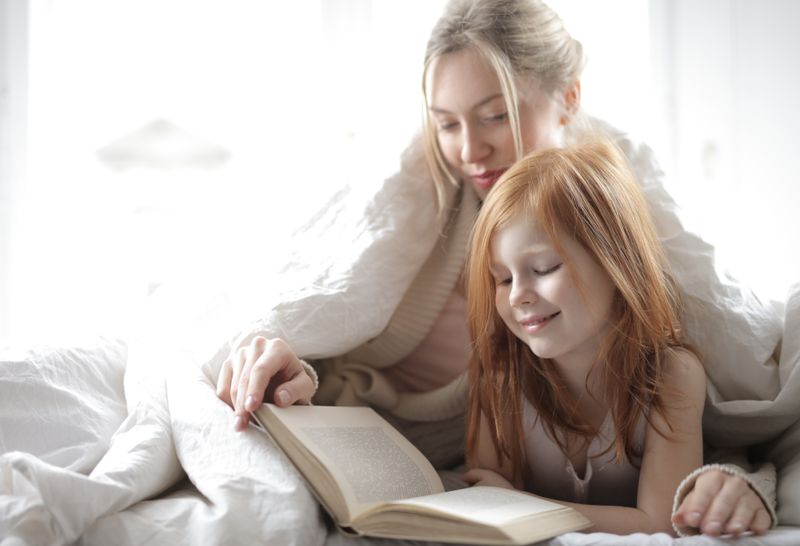
What Are the Best Books to Help Explain Adoption to Kids?
“Tell Me Again About the Night I Was Born,” “A Mother for Choco,” and “The Family Book” are among the most-loved books for starting age-appropriate adoption conversations at home.
Learn more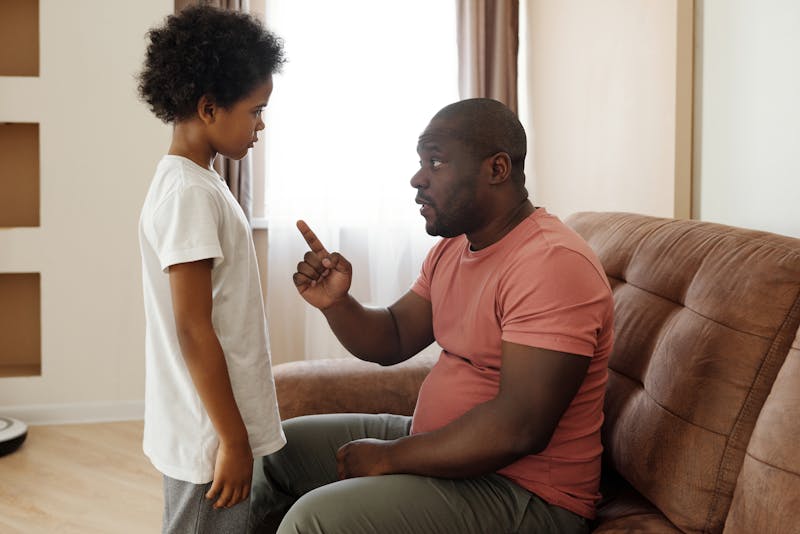
How Do I Build Trust With My Adopted Child?
Trust works the same in adoptive families as any family, it’s earned, not automatic, and lying to a child (even to protect them) is what breaks it, not the truth itself.
Learn more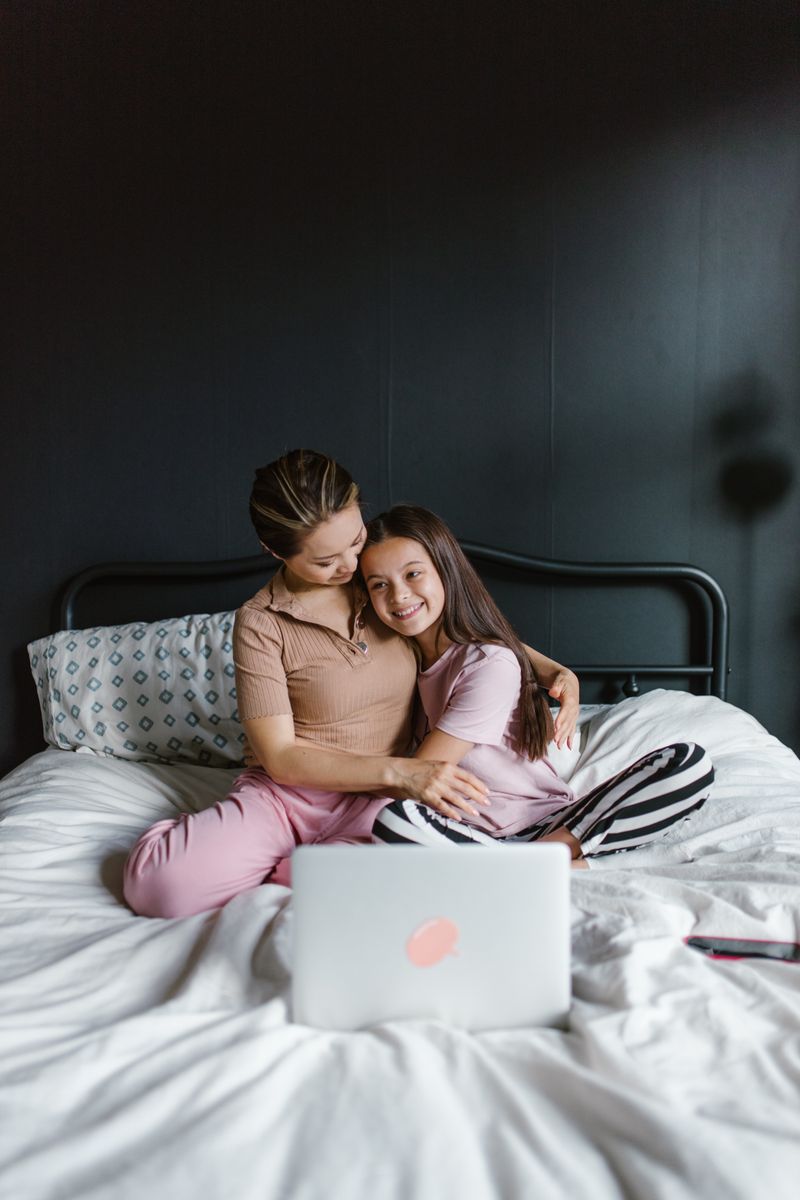
Should I Worry My Child Will Prefer Their Birth Parents?
An adoptee panel speaker put it directly: wanting to know your biological parents has nothing to do with the parents who raised you. Curiosity about DNA isn’t a threat to the relationship you’ve built.
Learn more
How Can We Include Birth Culture in Holiday Traditions?
Holidays are a natural opportunity to acknowledge a child’s birth culture alongside your family’s own traditions, talk with your child about what they practiced before joining your family, and build a bridge rather than a replacement.
Learn more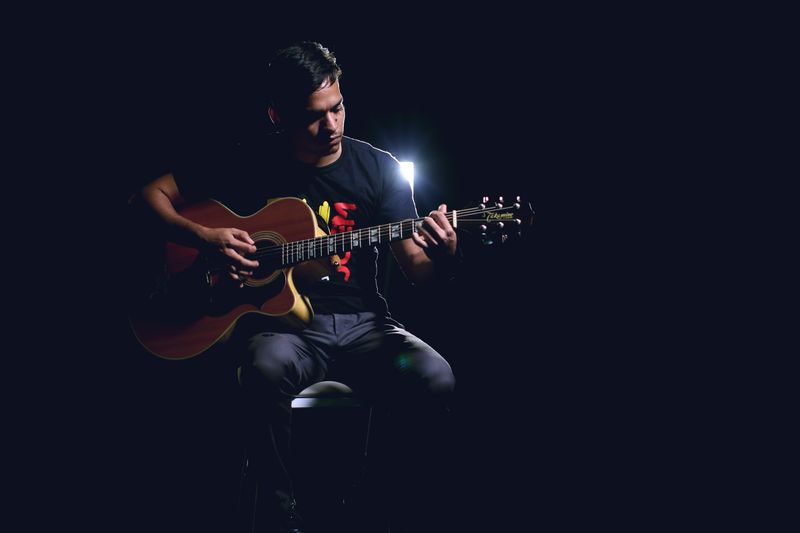
Which Well-Known Public Figures Were Adopted?
Musician Mon Rovía, born in Liberia during civil war, writes openly about his adoption and identity in his music, a real example of adoption identity explored through art, useful for older kids and teens processing their own story.
Learn more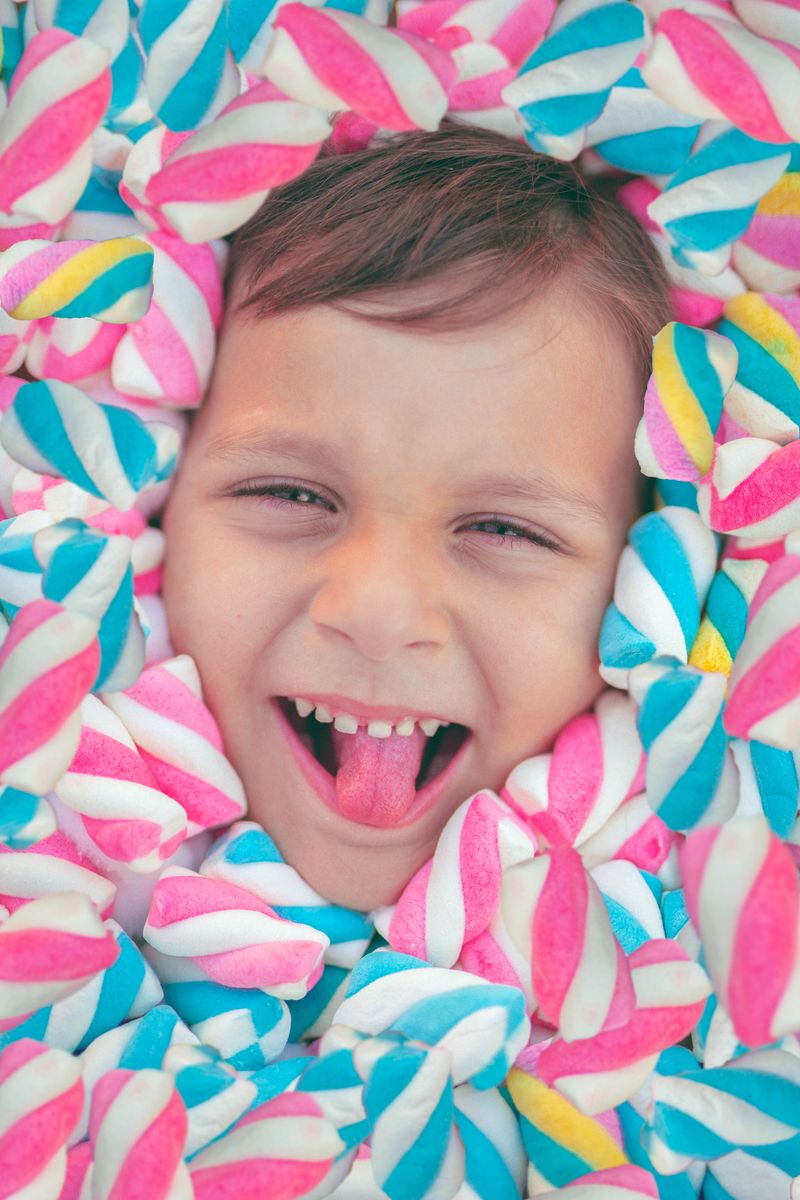
What Does the Marshmallow Test Really Tell Us About Kids?
The famous Stanford marshmallow experiment is often oversimplified into a verdict on willpower and future success, the reality is that children respond very differently based on temperament, not a single measure of self-control.
Learn moreHow Do I Tell My Child They’re Adopted?
Start early, before your child even understands language, so adoption is simply part of their story from the beginning rather than a secret revealed later. Secrets suggest something to hide, adoption shouldn’t be treated that way.
Full detailsSecrets suggest there is something to hide. Why would you hide adoption from your child?… Adoption should be celebrated.
Honesty about adoption matters, even when it’s uncomfortable, because your child’s story belongs to them.
Why Does Honesty About Adoption Matter?
Even small, well-meaning omissions about adoption can create distance later, honesty, delivered age-appropriately, builds more trust than protecting a child from a story that’s actually theirs.
Full detailsShould I Say ‘My Adopted Daughter’ or Just ‘My Daughter’?
Attaching “adopted” as a label in everyday introductions creates a distinction that doesn’t need to exist, your child’s origin story isn’t public information owed to strangers.
Full detailsWhen you introduce your adopted child by saying ‘this is my adopted daughter,’ you’re creating a distinction that shouldn’t exist. They are either your children, or they aren’t.
Regardless of how innocent the questions appear, they are problematic, especially when involving a child a mother placed for adoption. Learn how to decline to answer respectfully.
What Personal Questions About My Adopted Child Should I Avoid Answering Publicly?
Questions like “what’s wrong with his real parents” or “was this baby a product of rape” are common but invasive, you can decline to answer respectfully, and you should, before your child’s story becomes neighborhood folklore.
Full detailsHow Do Adopted Kids Handle Genetics Lessons in School?
Punnett Square lessons on inherited traits can put adopted kids on the spot in front of classmates, a little preparation and a confident, honest response go a long way.
Full details“Put your mom’s eye color on the Punnett Square,” the teacher demanded… Madie, undeterred, responded confidently, “My mom has Heterochromia.”
“You’re adopted?”… “You can’t be adopted. You’re normal.”
Is It Normal to Feel Different as an Adopted Child?
Being told “you can’t be adopted, you’re normal” reveals how much stigma still surrounds adoption among peers, even well-meaning curiosity can sting when it treats adoption as an anomaly rather than a normal way families form.
Full detailsWhat Are the Best Books to Help Explain Adoption to Kids?
“Tell Me Again About the Night I Was Born,” “A Mother for Choco,” and “The Family Book” are among the most-loved books for starting age-appropriate adoption conversations at home.
Full details“A Mother for Choco” follows a bird searching for his mother; he finds the perfect mother who may not look like him but loves him unconditionally.
“No, I don’t trust you. I love you, but I don’t trust you. Trust is earned, and you will have to earn my trust back.”
How Do I Build Trust With My Adopted Child?
Trust works the same in adoptive families as any family, it’s earned, not automatic, and lying to a child (even to protect them) is what breaks it, not the truth itself.
Full detailsShould I Worry My Child Will Prefer Their Birth Parents?
An adoptee panel speaker put it directly: wanting to know your biological parents has nothing to do with the parents who raised you. Curiosity about DNA isn’t a threat to the relationship you’ve built.
Full details“Unless an adoptive parent abuses a kid, I’ve never known one single adopted person, NOT ONE SINGLE ADOPTED PERSON, who wants to abandon those who raised her.”
Acknowledge and celebrate birth culture: engage in conversations with the adopted child about any traditions they practiced before joining the family.
How Can We Include Birth Culture in Holiday Traditions?
Holidays are a natural opportunity to acknowledge a child’s birth culture alongside your family’s own traditions, talk with your child about what they practiced before joining your family, and build a bridge rather than a replacement.
Full detailsWhich Well-Known Public Figures Were Adopted?
Musician Mon Rovía, born in Liberia during civil war, writes openly about his adoption and identity in his music, a real example of adoption identity explored through art, useful for older kids and teens processing their own story.
Full detailsWhose Face Am I? Adoption, Identity, and the Music of Mon Rovía, his music is compelling and thoughtful.
Every one of my children would have reacted differently if Stanford scientists had placed them in a room with a table, a chair, and a marshmallow. Children are unique.
What Does the Marshmallow Test Really Tell Us About Kids?
The famous Stanford marshmallow experiment is often oversimplified into a verdict on willpower and future success, the reality is that children respond very differently based on temperament, not a single measure of self-control.
Full detailsFAQ - Simple
Frequently Asked Questions
No, starting young, before your child fully understands language, tends to work better than waiting for a single big reveal.
Not wrong, but the label doesn't need to be attached to every introduction, your child's story is theirs to share, not a public fact
about them.
No, you can decline respectfully, and protecting your child's story from becoming public folklore is worth the occasional
awkward moment.
Yes, peer curiosity, even when well-intentioned, can make adopted kids feel like an anomaly rather than normal, which is worth
preparing them for.
Several of the recommended titles touch on staying connected with birth family, which pairs well with an open adoption
arrangement.
Yes, trust is earned over time in every family, adoptive or biological, and that's a normal, not concerning, process.
Not replace, blend. The goal is a bridge between the child's past and their new family, not a substitution.

Comments